What Makes the Club Are Community So Sexy?
Club Are, Mika Kailes and Abdula Jama’s party, is reimagining the queer underground scene with art and community at it’s hot molten core.
In November 2023, Mika Kailes was at a crossroads. A few years after graduating from Central Saint Martins, he found commercial fashion work dull and soulless. Like many creative, queer young people living in London, he didn’t feel that nightlife was fit for purpose. Amid a wash of hideous tourist traps, meat-fest heterotopias and Circuit Gay bonanzas, there wasn’t anywhere designed to invite or excite a creative, gender-diverse audience.
“It was kind of… either I’m leaving London, or I create a reason for myself to stay.” The first buds of that idea appeared when he held a birthday party in a “crazy, hot, abandoned factory building”. “All the queer scene was there, and the party went on until… very much the next day,” he laughs. “Something was already there. It felt very special, really beautiful - it had an energy that I didn’t expect.”
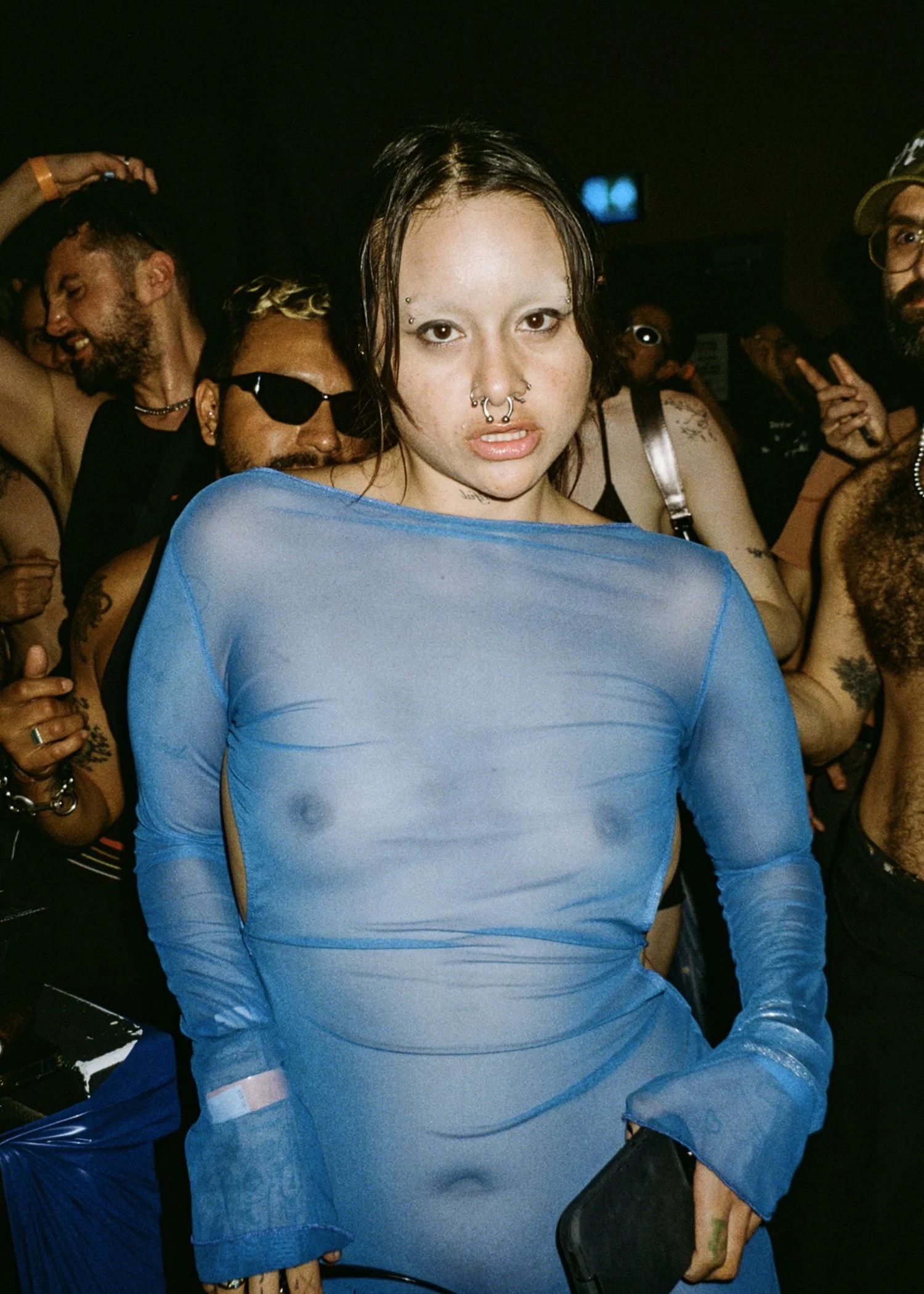
Image by Dani d’Ingeo
Only two years later, that initial euphoria has grown into Club Are, one of the hottest parties in this sodden grey metropolis. What sets it apart is its fluid nature, with each edition built around a new creative concept.
“It’s an immersive club night,” Mika explains, “a kind of cross between [an] audio-visual exhibition and a dance party, celebrating the fusion of music, fine arts and fashion.” With co-curator Abdula Jama, Club Are found a home at Hackney Bridge, while also popping up at summer-season day-party stalwarts like Body Movements and Gala.
The music tends towards high-energy progressive house, hard house and techno, but Mika and Abdula strive to create a journey through the night’s sound. The aim is not only joy and escapism, but something intellectually expansive, too. Editions have featured DJs and artists from around the world, including 3xbutterfly, Riva b2b Oliver Scala, tuxe, S3BA, Ariel Zetina and FASTER HORSES. For Mika, the club is “a kind of melting pot, a host for all these different influences and references that come together and co-exist”.
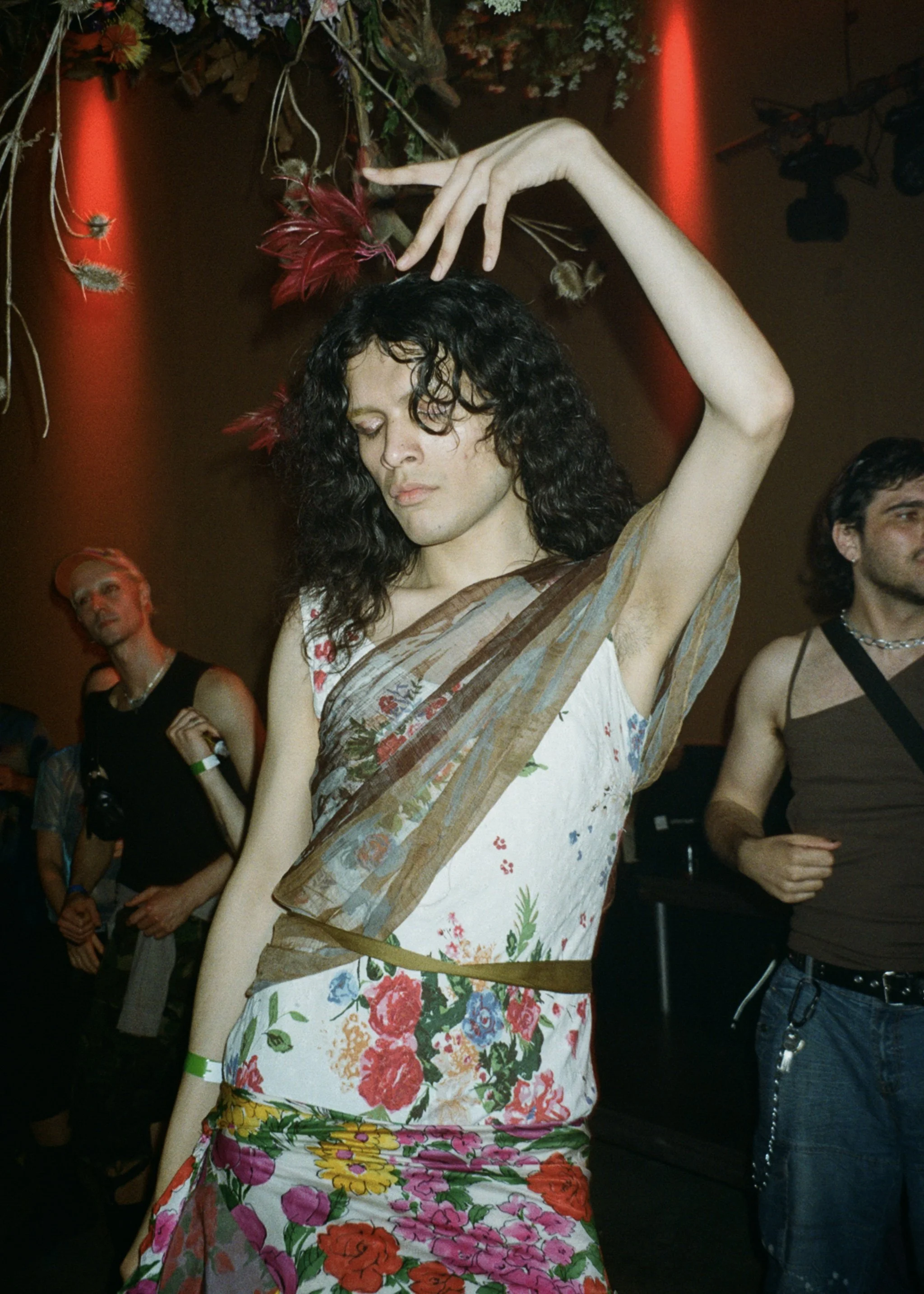
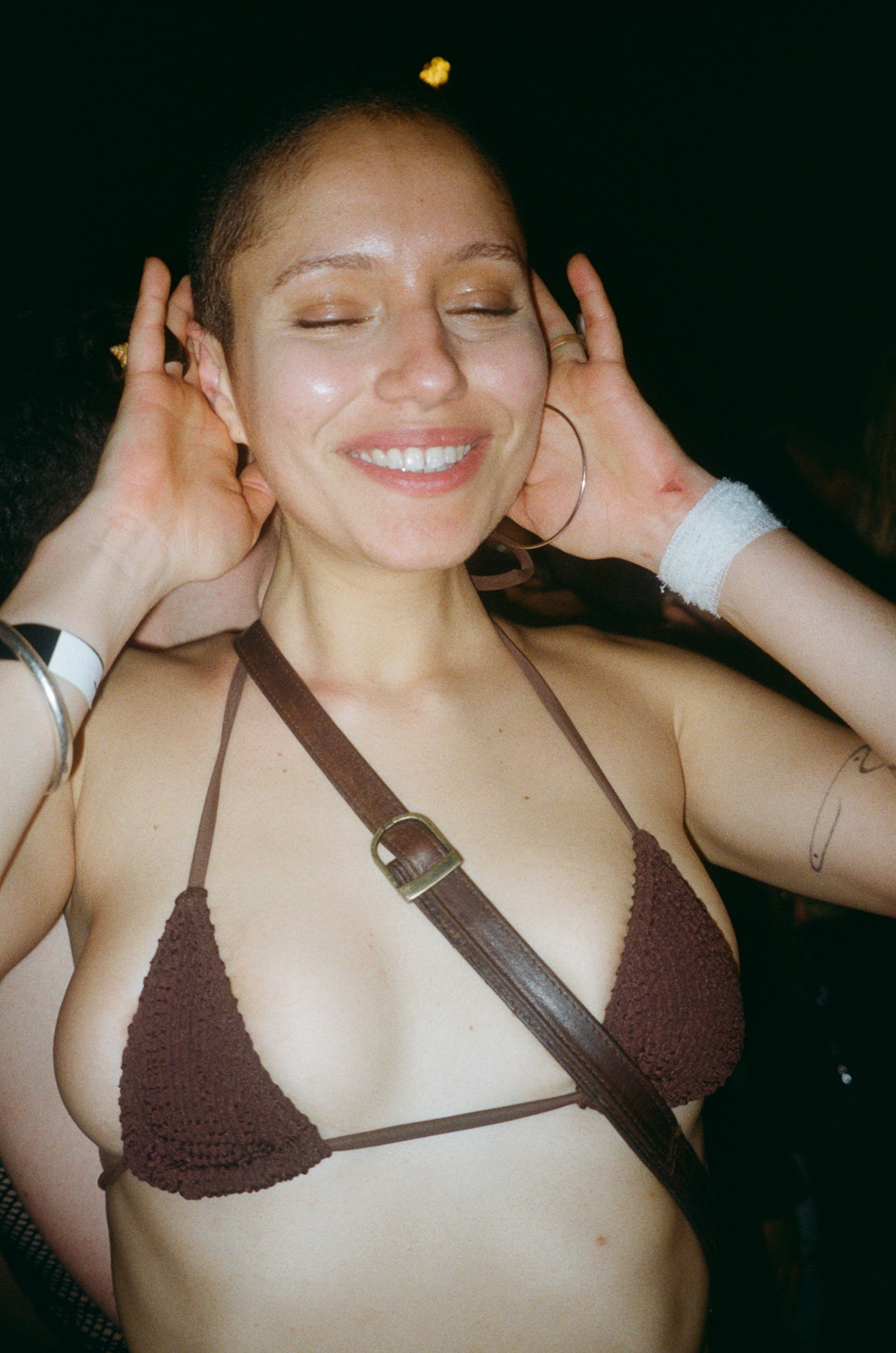
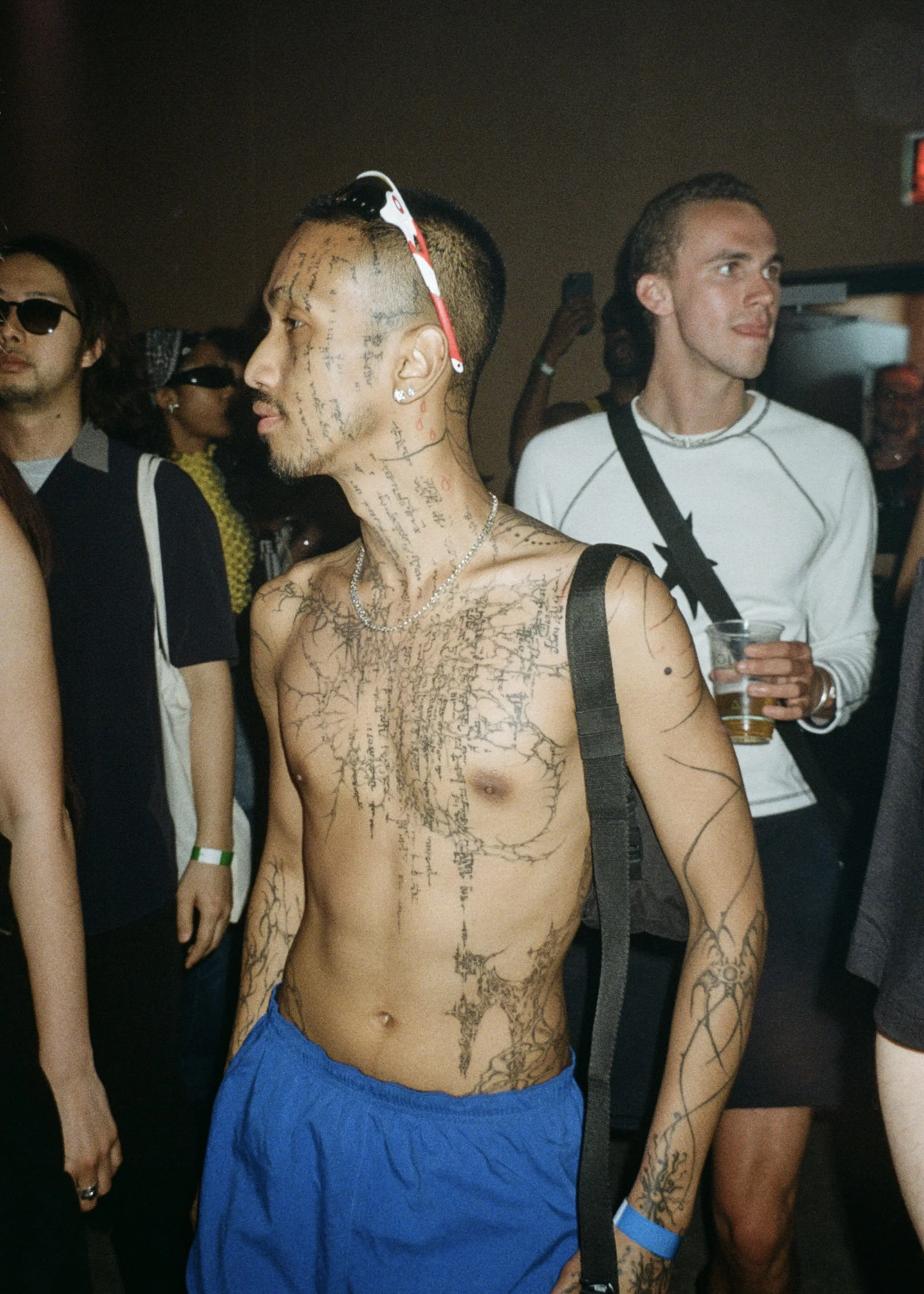
In practice, Club Are feels like a really good fashion week party that’s progressed into a rave. The crowd is totally gorgeous, but it’s not full of posers and, so far, remains unplagued by the TikTok army. What’s refreshing is that people really do come to dance. There’s nothing like the ritualistic synergy of a room full of people moving together and you can find that here.
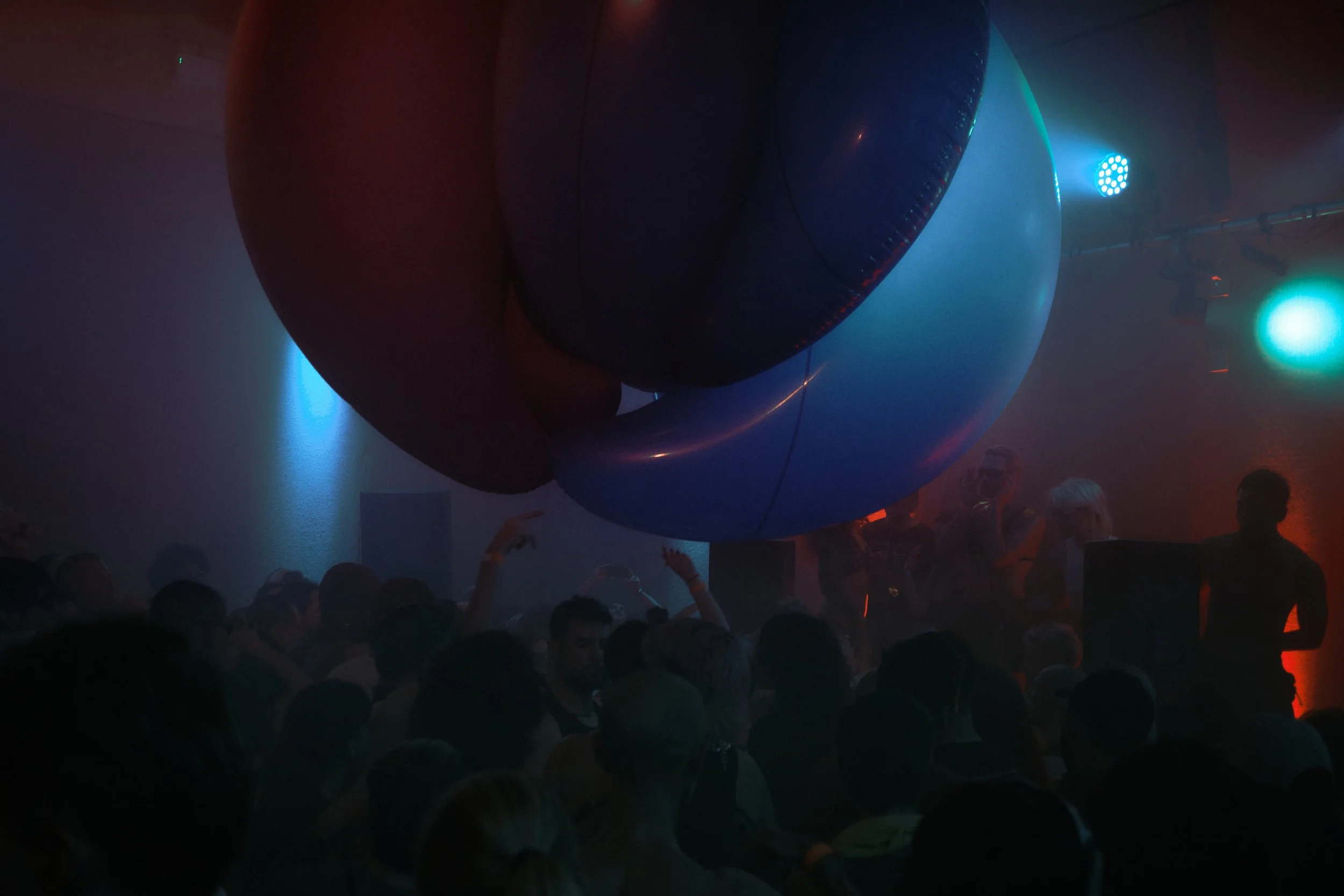
Image by Stylian
The party is as visually experimental as it is sonically. A huge mirrored installation by Arthur Poujois, hovering over the dancefloor, transformed one event into a “heterotypic chamber of expenditure” for the equinox. At another, a performance by movement artist and choreographer Yen-Ching Lin turned the space into an ephemeral art gallery. Kalman Pool’s sculptures - “massive, alien-like inflatables, with all sorts of protrusions ;)”, explains Anna Choutova, creator of Bad Art Presents, who oversaw the collaboration - hang over the dancefloor like another partygoer.
“To have a focal point in a high-octane music environment feels absolutely necessary to me,” Anna tells me. She sees inflatables as particularly effective: they draw the crowd’s attention without becoming intrusive, offering a point of calm in an otherwise constantly evolving environment.
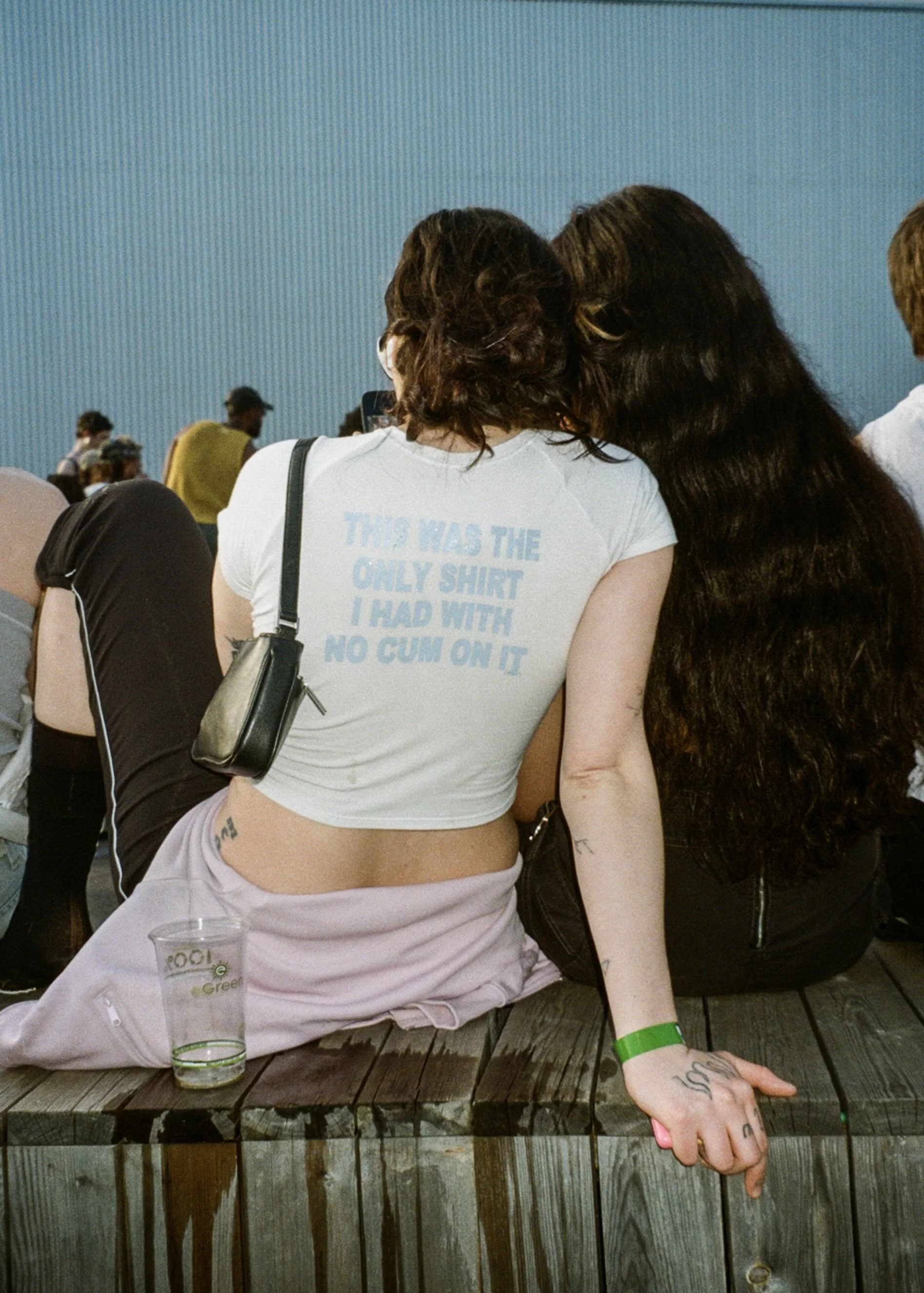
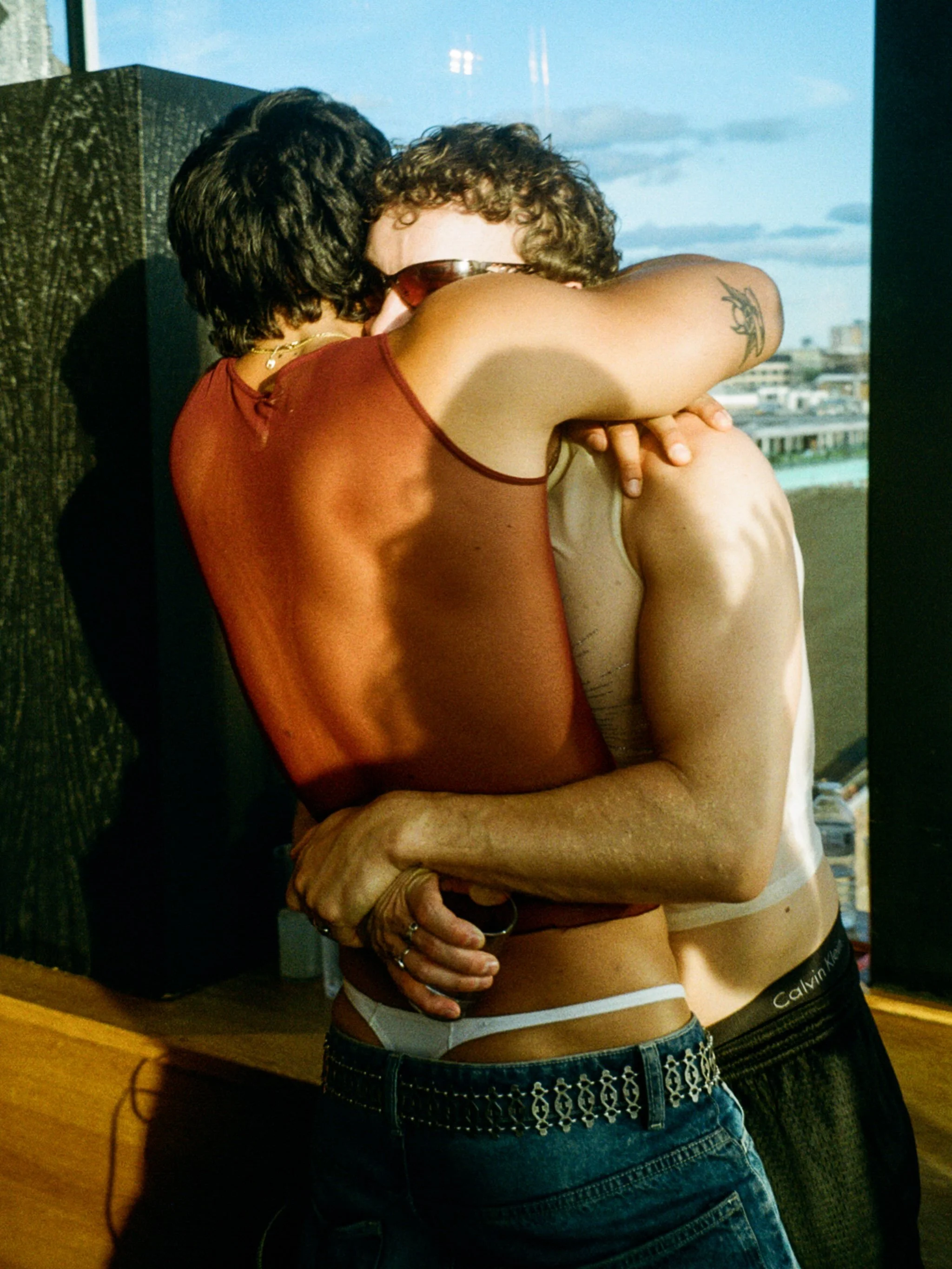
Images by Dani d’Ingeo
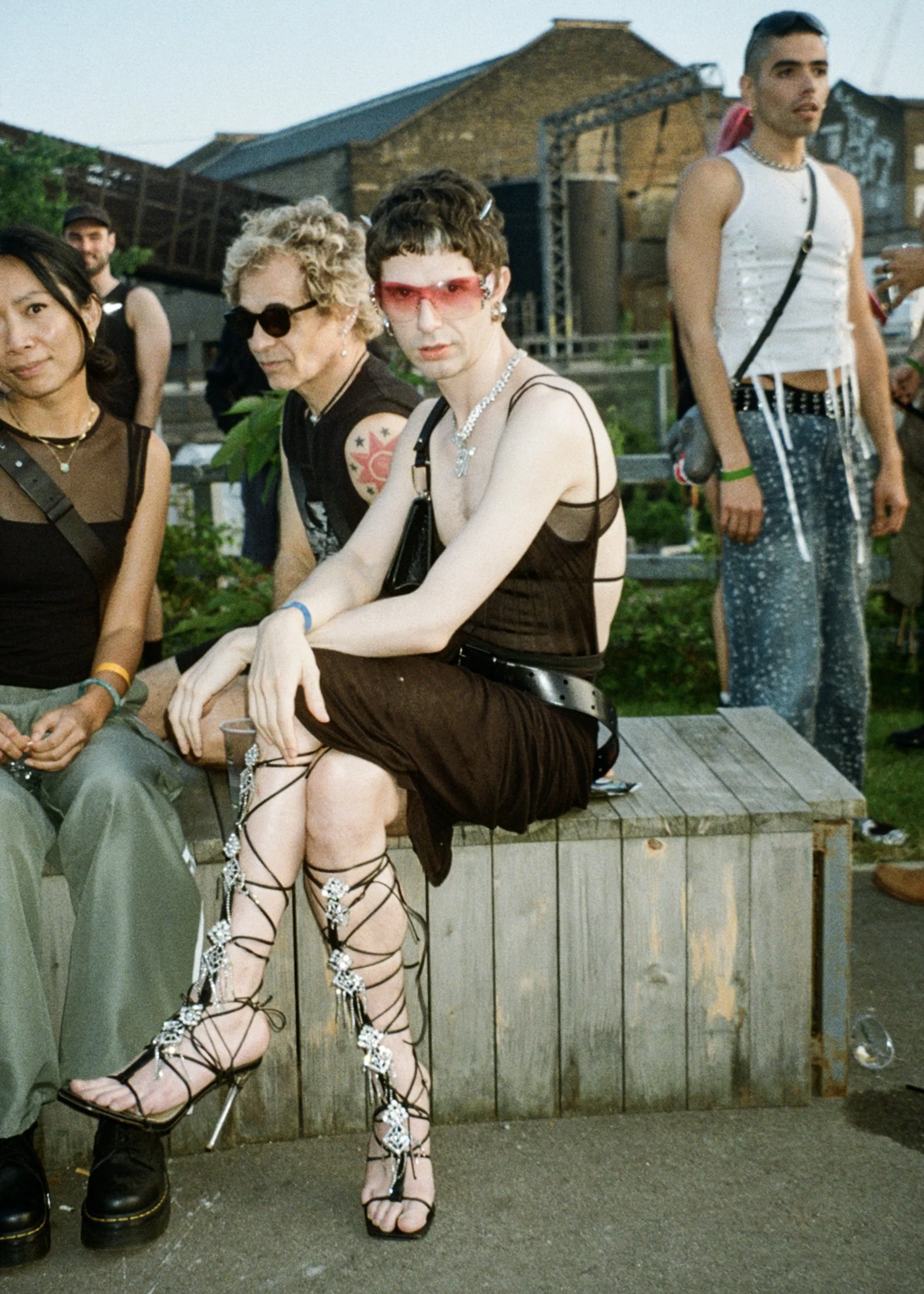
Image by Dani d’Ingeo
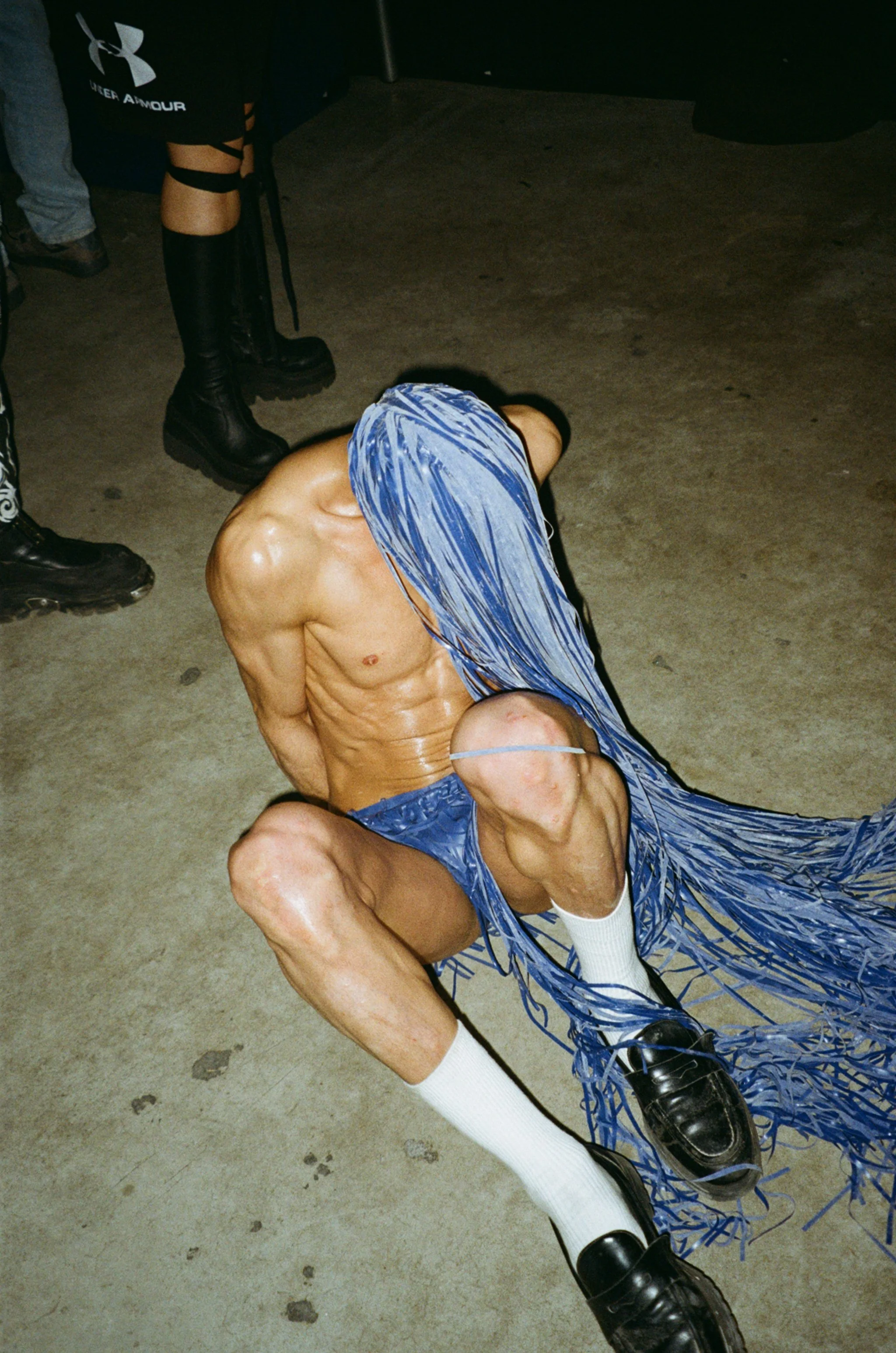
The Club Are muse? She’s an early-2000s girl. She’s an artist, a bit geeky, but she’s hot and she loves to party, Mika explains. There’s no specific dress code or door policy, though.
“It’s interesting how, when I see the images, there’s some kind of cohesion going on,” he says. “Sexy but not sexualised, playful, but also really relaxed. Kitten heels, tiny little top, sweaty hair, sweaty skin.”
Style as a signifier of values, and subcultures sharing a visual language through personal expression, is nothing new. London’s club scene has long been a tapestry of groups recognisable by how they dress. This is something that energises Club Are’s organisers.
“I see fashion as this kind of nonverbal language - how something codes: oh, I might get along with this person, maybe this person thinks the way that I do,” Mika reflects. “The ones that pick your code are often the people most similar to you.”
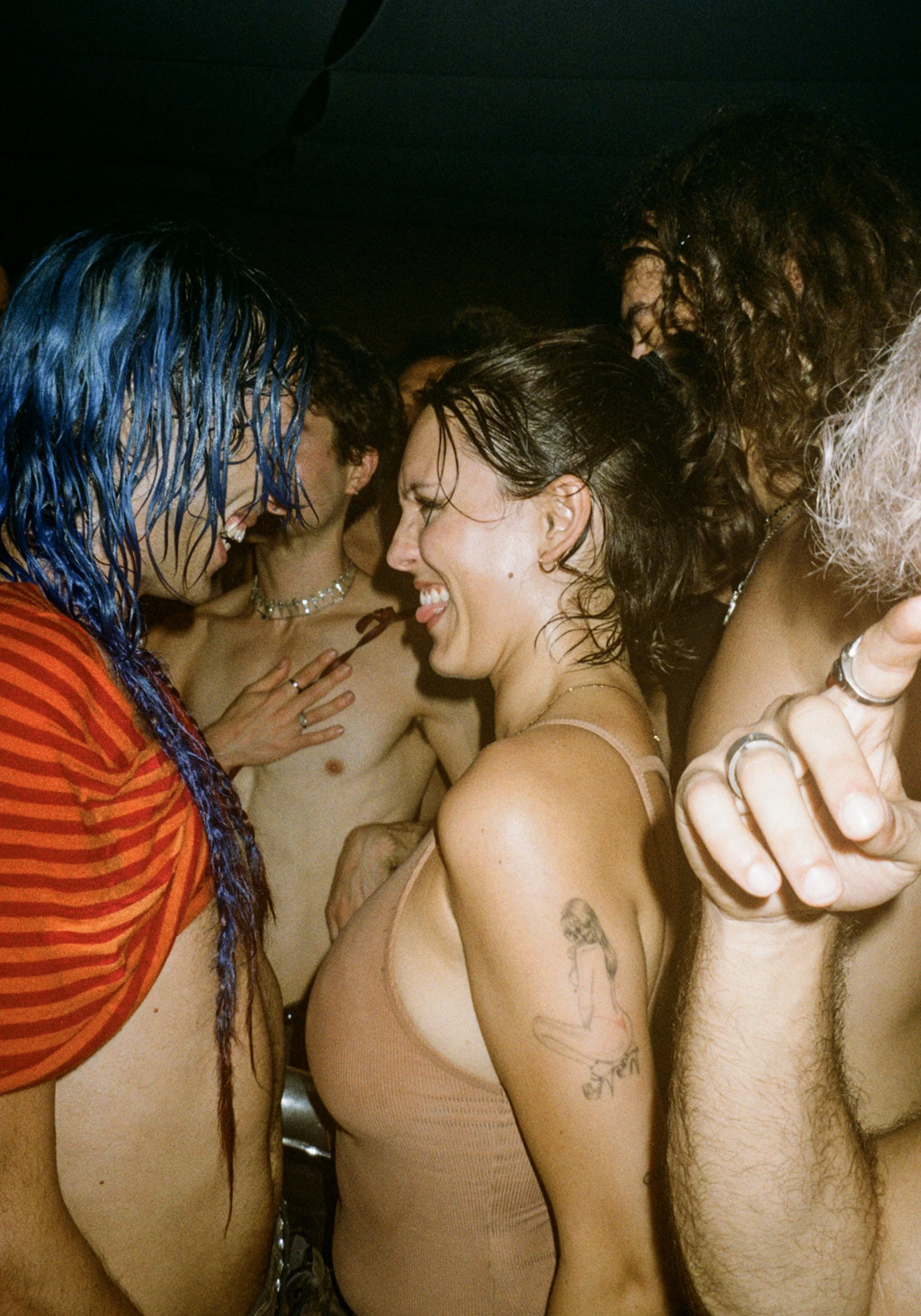
Image by Dani d’Ingeo
The night is run on the core values of community, creativity and care. For Mika, hosting Club Are means creating a space that welcomes and celebrates queer, FLINTA and POC party-goers, while giving back to communities most threatened by a hostile political reality. Previous events have raised money for Gendered Intelligence and the London Trans Pride Fund, among others, and there’s an ongoing fundraiser for Not A Phase (donate here). Tickets are also reserved on the door for Club Are family and queer, trans and FLINTA communities.
Club Are aims to create spaces where people feel they belong - a kind of utopia. The organisers speak of meeting friends on the dancefloor and getting stuck into the pulsing masses, rather than hiding away in the green room.
But when the party’s over, what does community look like beyond this sweaty, rhinestone-studded fever dream? Club Are clearly brings people together, but what does it take to turn the fizzing, half-heard dancefloor interactions into something more lasting? It’s easy to be cynical about air kisses and outfit compliments between alumni of the same arts-based universities, but community is a subjective experience - and a night of feeling like you belong feeds the soul.
In a wave of discontent with commercial nightlife, there’s a danger of fetishising authenticity: the “real thing”, like British Vogue sending a photographer to a Peckham car boot sale and calling it the “thrift du jour”. Yet alongside think pieces lamenting the decline of dance music as a space for freedom and self-expression, Mika points to a new wave of community-focused parties. “Through the hardship, the underground and the creative world, some things are thriving,” he tells us.
The club still remains an important part of life for queer people because, as Mika explains, we can’t always express ourselves freely on the streets of the everyday. “Maybe we [at Club Are] don’t fully always fit the expectations and margins of a normal society. And sometimes life on the margins becomes the place that you find your people.”
Looking to the future, Club Are’s organisers plan to give this experience a dedicated, bricks-and-mortar home, combining cultural programming with performances and nightlife - a new, solid variation on the club’s ambition to build worlds.
In the shorter term, Club Are’s next event is on 24 October (tickets here). What can we expect? Kooky anthropomorphic sculpture - maybe; miniskirt and sexy slogan T-shirt combos - definitely; a haze of evaporating sweat - undeniably. Hot make-out? Well… you decide.